
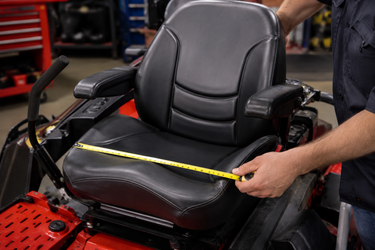
How to Measure a Zero-Turn Mower Seat Before Buying
Buying the wrong replacement mower seat is one of the most common reasons for installation problems, unnecessary returns, and wasted time. The good news is that learning how to measure a zero-turn mower seat only takes a few minutes. By measuring the mounting bolt pattern, seat width, depth, height, and safety switch location before ordering, you can significantly improve the chances of selecting a compatible zero turn replacement seat.
Whether you're replacing a worn factory seat or upgrading to a more comfortable universal mower seat, accurate mower seat measurements help ensure proper fit, maintain operator safety, and reduce compatibility issues. This guide explains every measurement step and provides practical tips to help you compare your existing seat with available replacement options.
Why Measuring Your Zero-Turn Mower Seat Is Important
Not every replacement mower seat advertised as "universal" fits every zero-turn mower. Manufacturers often use different mounting patterns, seat sizes, suspension designs, and safety switch configurations, even among models from the same brand.
A seat that appears visually similar may still create installation challenges if one or more dimensions differ. Incorrect fitment can lead to:
- Mounting holes that do not align with the seat base
- Limited seat adjustment after installation
- Poor operator posture during long mowing sessions
- Interference with control levers or fenders
- Incompatible seat safety switch operation
According to operator recommendations published by agricultural equipment organizations and equipment manufacturers, maintaining an ergonomic seating position helps reduce fatigue during extended mowing while supporting safer machine operation. Proper seating also allows the operator to maintain better control over steering levers and visibility throughout the workday.
Taking accurate zero turn mower seat dimensions before purchasing is therefore a practical step rather than an unnecessary precaution.
How to Measure a Zero-Turn Mower Seat Before Buying
Before beginning, park the mower on level ground, engage the parking brake, remove the ignition key, and allow the engine to cool. A tape measure with both inch and millimeter markings works best since many manufacturers publish specifications using imperial measurements.
If possible, remove the old seat before measuring. This provides easier access to mounting holes and electrical connections while improving measurement accuracy.
Measure the Mounting Bolt Pattern
The mounting bolt pattern is usually the most important measurement when choosing a replacement mower seat.
Most zero-turn mower seats attach using four mounting bolts underneath the seat pan. Measure the distance between the center points of the mounting holes rather than measuring from the outside edges.
Record both dimensions:
- Left-to-right spacing
- Front-to-back spacing
For example, a bolt pattern might measure approximately 11.25 inches by 11 inches, while another mower may use a completely different pattern. Even a small difference can prevent direct installation.
If your existing seat uses slotted mounting holes, note both the minimum and maximum spacing because many universal mower seat designs include adjustable mounting slots that accommodate several bolt patterns.
Taking clear photos of the mounting plate while measuring can also help compare specifications later when shopping online.
Measure the Seat Width
Seat width affects both comfort and machine clearance.
Using a tape measure, record the widest point across the seating surface, usually from one outer edge to the opposite edge.
When comparing zero turn mower seat dimensions, remember that wider is not always better.
An overly wide seat may:
- Contact armrests or side controls
- Restrict steering lever movement
- Reduce operator comfort when entering or exiting the mower
Conversely, a seat that is too narrow may not provide sufficient hip support during long mowing sessions.
If you regularly mow large commercial properties, choosing a seat with appropriate width and side support can improve comfort over several hours of continuous operation.
Measure the Seat Depth
Seat depth is measured from the front edge of the cushion to the rear of the backrest where the operator sits.
This measurement directly influences leg support.
A seat that is too shallow may concentrate pressure under the thighs, while excessive depth may force shorter operators to sit too far forward, reducing lumbar support.
When reviewing mower seat measurements, compare seat depth alongside overall seat width rather than evaluating one measurement alone.
Commercial-grade zero turn replacement seat models often balance these dimensions to provide adequate support without interfering with machine controls.
Measure the Seat Height
Seat height includes more than overall appearance.
Measure from the bottom mounting surface to the highest point of the backrest.
If replacing a suspension seat, also note:
- Suspension travel
- Cushion thickness
- Height after compression
- Clearance beneath the seat
Incorrect seat height may change the operator's eye level, arm position, or distance from the steering levers.
Maintaining similar overall height helps preserve the machine's original ergonomics.
Some premium replacement mower seat models include adjustable backrests or sliding rails, allowing operators to fine-tune their seating position after installation.
Check the Seat Safety Switch Location
Modern zero-turn mowers commonly include an operator presence switch beneath the seat.
This safety feature shuts down blade engagement or engine operation when the operator leaves the seat under certain conditions.
Before ordering a zero turn replacement seat, inspect:
- Switch location
- Mounting bracket style
- Wiring connector type
- Cable routing
- Number of electrical terminals
Some universal mower seat models are pre-drilled for seat switches, while others require transferring the original switch assembly.
Never bypass or permanently disable the seat safety switch simply because a replacement seat does not match the original mounting arrangement. Properly functioning safety systems remain an important part of safe mower operation.
How to Know If a Universal Replacement Seat Will Fit Your Mower
After completing your mower seat measurements, compare them with the manufacturer's published specifications instead of relying only on product photos.
A compatible universal mower seat should match several key criteria:
| Measurement | What to Compare |
| Mounting bolt pattern | Hole spacing or adjustment slots |
| Seat width | Overall clearance |
| Seat depth | Leg support |
| Seat height | Operator position |
| Safety switch | Compatibility with original wiring |
Keep in mind that "universal" rarely means identical to every OEM seat. Instead, it generally indicates that the mounting system accommodates multiple machines within a specified adjustment range.
It is also helpful to verify compatibility using the mower's brand, model, and production year. Many manufacturers provide fitment references covering popular zero-turn brands such as Gravely, Exmark, Kubota, Toro, Bad Boy, and John Deere.
If measurements are close but not identical, carefully review whether the seat uses elongated mounting slots, adapter brackets, or optional installation hardware.
Beyond dimensions, consider additional comfort features that may improve daily operation:
- Adjustable backrest angle
- High-density molded foam
- Durable waterproof PVC or vinyl covering
- Drainage holes to reduce moisture accumulation
- Corrosion-resistant seat pan
- Heavy-duty hinge construction
These features do not determine compatibility, but they can improve long-term durability and operator comfort, particularly for commercial landscaping professionals who spend several hours each day operating zero-turn equipment.
Another practical consideration is replacement frequency. Industry maintenance guidance suggests regularly inspecting mower seats for cracked cushions, damaged covers, weakened hinges, or deteriorated suspension components. Replacing a worn seat before structural failure not only improves comfort but may also help maintain safe operating posture and equipment control.
When reviewing product specifications, prioritize detailed technical information over marketing language. Manufacturers that clearly publish zero turn mower seat dimensions, supported bolt patterns, compatible machine brands, material specifications, and installation guidance generally make it easier to determine whether a replacement mower seat will fit your mower without additional modifications.
Finally, remember that no single measurement should be evaluated in isolation. A seat with the correct width but incompatible mounting holes may still require adapters, while a perfect bolt pattern cannot compensate for poor clearance around control levers. Comparing all critical mower seat measurements together provides the most reliable basis for selecting a suitable zero turn replacement seat.
Final Thoughts
Knowing how to measure a zero-turn mower seat before purchasing helps eliminate guesswork and improves the likelihood of selecting a compatible replacement mower seat. By carefully measuring the mounting bolt pattern, seat width, depth, height, and safety switch location, you can confidently compare zero turn mower seat dimensions with manufacturer specifications and identify a suitable universal mower seat for your equipment.
For buyers looking for replacement seating solutions, Lumina Seats offers heavy-duty zero turn replacement seat options with detailed dimensional specifications, adjustable comfort features, and compatibility with many popular mower brands, making it easier to choose a seat that matches both your machine and your working requirements.